
GPS Trackers for Cows | 4G Waterproof Cattle GPS Tracker
Introduction
GPS trackers cows are becoming a useful tool for farmers who need to monitor cattle across large pastures, ranches, and remote grazing areas. With a suitable cattle GPS tracking device, farmers can check animal locations and manage their herds more efficiently.
Choosing the right GPS trackers cows solution requires more than comparing prices. Farmers should consider GPS positioning, 4G network compatibility, battery life, waterproof protection, and the size of the device to ensure it suits their cattle and farming environment.
Modern GPS trackers cows can help improve livestock visibility and make it easier to locate animals that move away from their usual grazing areas. For cattle farms in the United States, South Africa, and other regions, selecting a tracker that works with local mobile networks is especially important.
- Why Do Farmers Need GPS Trackers for Cows?
Cattle often graze across large fields, hills, and open ranches. Checking their locations manually can take considerable time, particularly when animals are spread over a wide area.
A cattle GPS tracker can help farmers:
Monitor cattle locations: Check where tracked animals are located.
Save time: Reduce the time spent searching for cattle across large pastures.
Improve herd management: Make it easier to monitor animals grazing in different areas.
Support livestock security: Use location information to help investigate missing cattle or unexpected movements.
Monitor remote grazing areas: Check available tracking information without visiting every field.
A GPS tracker is a monitoring tool, not a guarantee against livestock loss or theft. Its effectiveness depends on the device, network coverage, tracking settings, and how it is used.
- Important Features of a 4G Waterproof Cattle GPS Tracker
Before buying a cattle GPS tracking device, compare the following features.
4G Network Compatibility
A 4G cattle GPS tracker needs compatible cellular network coverage to transmit location data to a mobile app or tracking platform. GPS positioning and mobile data transmission are different functions: a device may determine its location but be unable to send updates when cellular coverage is unavailable.
Before ordering, confirm the tracker’s supported LTE bands and compatibility with your local mobile operator. This is particularly important for farms in rural areas of the United States and South Africa.
Waterproof and Durable Design
Cattle trackers are often exposed to rain, mud, dust, and outdoor conditions. A waterproof design can be useful for livestock monitoring, but farmers should check the manufacturer’s stated waterproof rating rather than assuming every device is suitable for submersion or every weather condition.
Battery Life and Standby Time
Battery life affects how frequently a tracker needs recharging. A longer standby time may be helpful for cattle grazing far from the farm, but actual performance depends on signal strength, location update frequency, temperature, and device settings.
Suitable Size and Attachment
A tracker must be securely attached without causing discomfort or restricting the animal’s movement. Check the device’s weight, dimensions, and recommended attachment method before using it on cattle.
- How GPS Trackers for Cows Help with Herd Management
Using GPS trackers for cows can make daily livestock management more convenient, especially when cattle graze over large areas.
Monitoring Cattle in Large Pastures
Farmers can use location information to check where tracked cattle are grazing. This can help them plan pasture inspections and spend less time searching for animals.
Locating Cattle That Wander Away
If cattle move beyond their usual grazing area, a compatible tracking system may help farmers identify their reported location. The ability to receive timely updates depends on the device’s reporting interval and communication coverage.
Managing Remote Ranches
On large ranches, visiting every grazing area can be time-consuming. Remote location monitoring can provide additional information for routine herd checks, although it does not replace physical animal inspections.
- Choosing the Right Cattle GPS Tracker for Your Farm
The best device depends on the size of your herd, the grazing environment, and the features you need.
Small cattle farms: Prioritize ease of use, reliable location reporting, and manageable operating costs.
Large ranches: Check battery life, network coverage, and whether the platform can monitor multiple devices.
Remote grazing areas: Confirm local cellular coverage and supported network bands before purchasing.
Long-term livestock monitoring: Compare battery performance, data plan costs, durability, and after-sales support.
Before purchasing, ask the supplier to confirm compatibility with your country, local carrier, and intended operating environment.
- Explore the DualBDGPS Livestock GPS Tracker
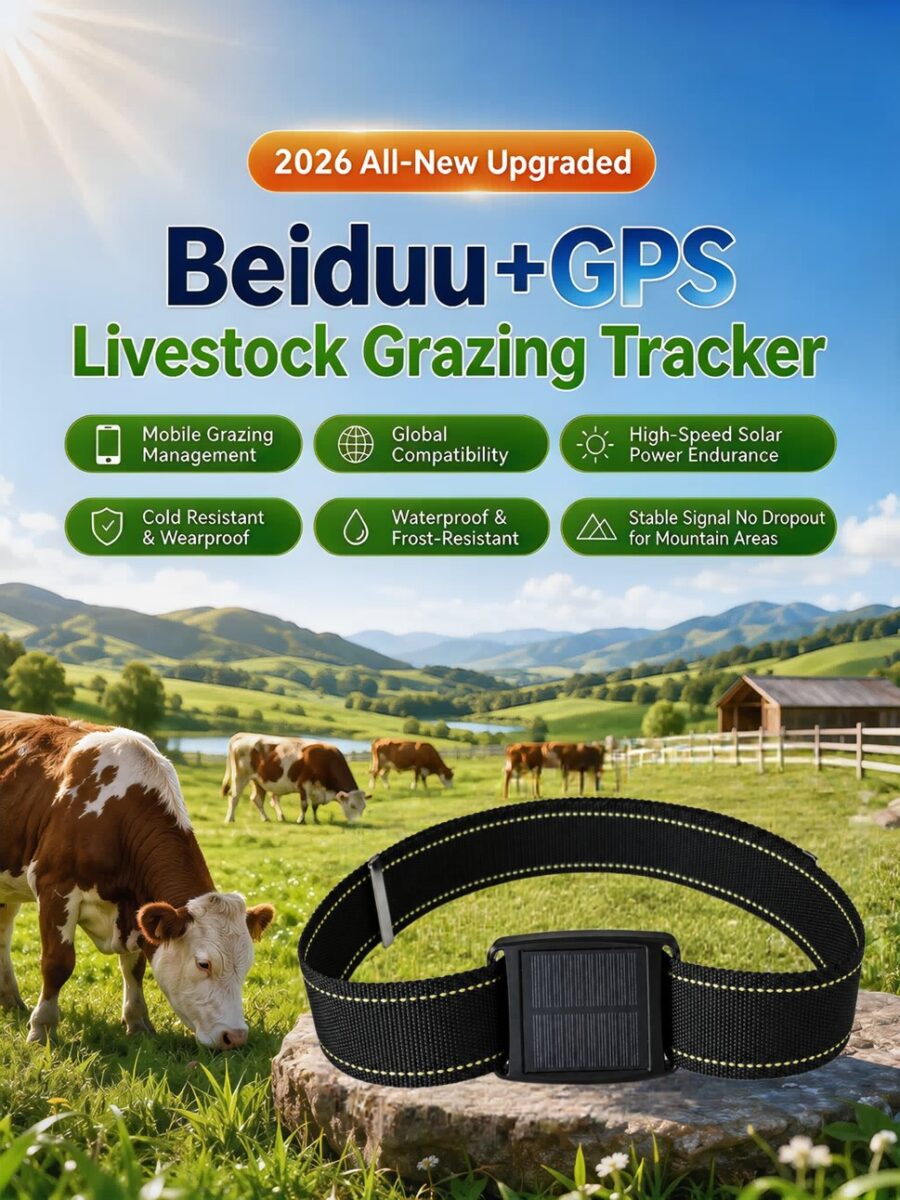
DualBDGPS offers a livestock GPS tracking device listed for cattle, horses, and sheep. Farmers considering this product can review its specifications and available package options on the product page.
Explore the product: Livestock GPS Tracker for Cattle and Sheep
Before placing an order, contact the supplier to confirm supported 4G bands, local network compatibility, battery specifications, waterproof rating, and the most suitable attachment method for your cattle. Also check whether the package includes a SIM card or data plan.
- GPS Trackers Cows: Buying Checklist
Use this checklist before selecting a cattle tracking device:
Does the tracker support the mobile network available on your farm?
Is the device designed for outdoor livestock use?
Is the waterproof rating suitable for your environment?
Does the battery meet your monitoring requirements?
Is the device’s weight and attachment method appropriate for cattle?
Are a SIM card, subscription, or data charges required?
Can the tracking platform manage the number of animals you have?
Has the supplier confirmed compatibility with your country and carrier?
Conclusion
GPS trackers cows can help farmers monitor cattle locations, improve herd visibility, and manage grazing operations more efficiently. When choosing a device, focus on 4G compatibility, waterproof protection, battery life, and a secure attachment method.
For cattle farms in the United States, South Africa, and other markets, always verify local network coverage and device specifications before purchasing. A suitable cattle GPS tracker can become a valuable part of a broader livestock management plan.
test message thank you (order #153880)