Archives August 2026

GPS Tracker for Animal Cow: Enhance Modern Cattle Ranch Management

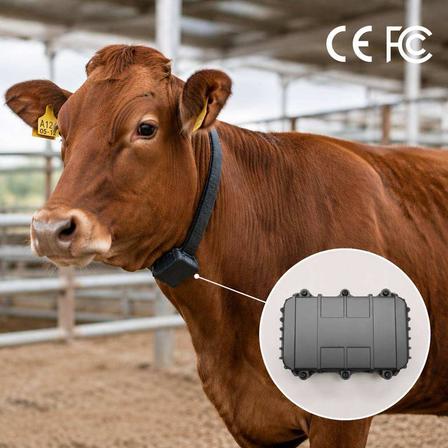
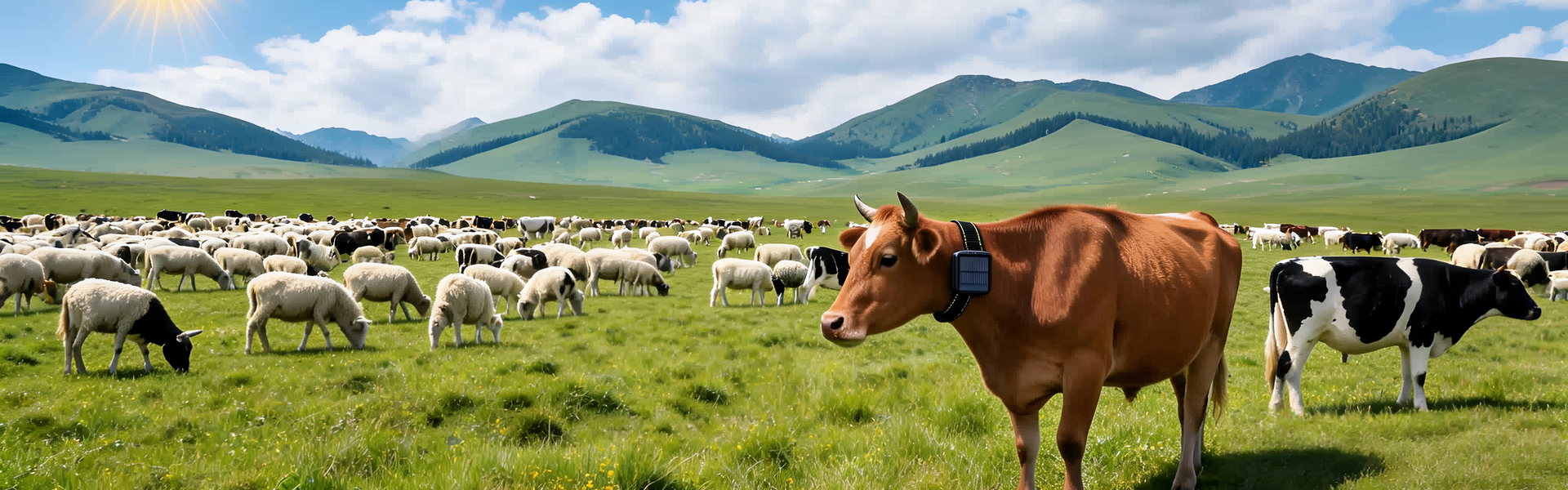
A reliable GPS tracker for animal cow has transformed traditional cattle farming, solving the most challenging problems of free-range and large-scale ranch management. Traditional cattle management relies on manual counting, patrol inspections and experience judgment, which cannot track the real-time status of scattered grazing cattle. Cattle often wander into remote areas, get trapped in dense vegetation, or go missing due to long-distance migration, causing substantial economic losses for ranchers. Designed exclusively for livestock breeding environments, the professional GPS tracker for animal cow features rugged construction, stable signal reception and long-lasting battery performance, perfectly adapting to the complex and harsh outdoor grazing conditions that ordinary tracking devices cannot withstand.

The greatest value of a GPS tracker for animal cow lies in its accurate real-time positioning and intelligent boundary management system. Adopting multi-satellite positioning technology, this dedicated device achieves high-precision location tracking, allowing ranch managers to monitor the real-time distribution and movement trails of every cow on mobile or web platforms 24/7. Unlike generic trackers, the GPS tracker for animal cow supports customized electronic fence zoning. Users can divide exclusive grazing areas on the management system, and the device will trigger instant push alerts once cattle break the preset boundary, enabling timely intervention to prevent loss and effectively standardize cattle grazing ranges.

Beyond basic anti-lost and positioning functions, the GPS tracker for animal cow empowers modern cattle farming with intelligent data management. The device automatically records daily activity volume, grazing duration, migration routes and rest patterns of cattle, forming systematic data analysis reports. Farmers can use these authentic data to optimize grazing area allocation, implement scientific rotational grazing, and avoid pasture degradation caused by overgrazing. In addition, abnormal activity data captured by theGPS tracker for animal cow can early warn of cattle health issues such as illness, injury or poor mental state, helping breeders conduct targeted health checks and reduce cattle mortality rates.

Durability and low maintenance are core advantages that make the GPS tracker for animal cow suitable for long-term cattle breeding applications. Built with IP67 waterproof, dustproof and shockproof materials, the tracker can resist extreme weather including heavy rain, high temperature and strong wind, as well as daily friction and collision during cattle activities. Equipped with ultra-low power consumption chips, it supports months of continuous standby without frequent charging, avoiding repeated disassembly and assembly that disturb cattle’s normal life. The lightweight wearable design will not cause physical burden to cows, ensuring zero impact on their feeding, mating and grazing behaviors.

For large and medium-sized cattle ranches, the GPS tracker for animal cow realizes centralized and efficient herd management. The supporting cloud management platform supports batch binding and unified monitoring of hundreds of tracking devices. Ranchers can view the overall status of the cattle herd with one click, quickly screen out abnormal individuals, and realize intelligent management instead of inefficient manual patrols. This greatly reduces labor costs, improves ranch operation efficiency, and solves the management pain point of difficult supervision of scattered free-range cattle.

As smart animal husbandry continues to develop, the multifunctional GPS tracker for animal cow has become a standard configuration for modern standardized cattle farms. Upgraded models integrate body temperature monitoring, low battery reminder, signal self-repair and offline data storage functions, which can still record data normally in remote areas with weak signals. With stable performance, simple operation and high cost performance, the GPS tracker for animal cow is gradually replacing traditional backward management methods, bringing digital and intelligent upgrading to the global cattle breeding industry.

To sum up, the GPS tracker for animal cow is a practical and efficient smart livestock device. It not only solves the core problems of cattle loss and difficult real-time monitoring, but also provides accurate data support for scientific breeding and pasture protection. Investing in a professional GPS tracker for animal cow is an effective way for cattle ranchers to reduce breeding risks, cut operating costs and improve overall economic benefits in the long run.

How to Choose the Best Car Tracking Device in South Africa (2026)

High vehicle theft rates and unoptimized fleet operations are pressing challenges for vehicle owners across South Africa, making a quality car tracking device an essential investment for automotive safety and cost management. As the most mature telematics market in Southern Africa, South Africa witnesses continuous growth in car tracking device adoption for private anti-theft protection and commercial fleet efficiency improvement. Per Mobility Foresights 2025 data, the local automotive telematics market will grow from $3.1 billion to $8.6 billion by 2031 at an 18.3% CAGR, with vehicle tracking solutions leading market consumption. A well-selected car tracking device enables real-time positioning, fast vehicle recovery and intelligent cost control for local road scenarios.

The booming demand for a professional car tracking device in South Africa stems from its proven security and economic advantages for individual and business users. Unmonitored vehicles face high theft risks, while unmanaged fleets suffer from excessive fuel waste and inefficient route planning. Berg Insight’s 2024 industry report records 2.3 million active fleet tracking units in South Africa by late 2023, with the figure projected to reach 3.8 million by 2028. Equipping vehicles with a certified car tracking device not only boosts anti-theft capabilities but also unlocks exclusive insurance discounts for private car owners. Leading local providers like Cartrack and Netstar serve over 2 million combined users, confirming that the car tracking device has become a standard automotive accessory nationwide.

Picking a region-adapted car tracking device is critical for stable, long-term operation in South Africa, as generic global trackers often struggle with local network and terrain limitations. Customized car tracking device models solve signal instability issues prevalent in rural, mountainous and remote mining areas of the country. Intel Market Research’s 2025 analysis verifies that 4G LTE trackers with 2G network fallback are the most reliable car tracking device option for South Africa, delivering seamless positioning across urban highways, rural routes and remote logistics corridors. Local operational data shows that vehicles without a car tracking device have a 67% higher theft recovery failure rate, while fleets using smart tracking solutions reduce annual fuel and route deviation losses by up to 30%.

1. Core Types of Car Tracking Device for South African Users

South Africa’s automotive market offers three mainstream car tracking device categories, tailored to fit personal vehicles, small businesses and large logistics fleets. Each type features unique functions and pricing structures, allowing local users to choose a targeted car tracking device based on their daily monitoring and management needs.

Wired Hardwired Car Tracking Device: This commercial-grade tracker is the most widely adopted car tracking device for South African fleet management. Hardwired directly to the vehicle’s power system, it delivers 24/7 uninterrupted positioning without regular battery replacement. Equipped with anti-disassembly alarms and real-time data uploads, it prevents unauthorized tampering and vehicle theft. It also monitors key driver behaviors including speeding, harsh braking and excessive idling, fully complying with local fleet safety regulations, making it ideal for logistics, mining and car rental enterprises.

Wireless Magnetic Car Tracking Device: Designed for private car owners in South Africa, this portable car tracking device supports tool-free installation with strong magnetic adsorption. It can be discreetly mounted on vehicle chassis or interior areas without damaging original car circuits. Boasting long standby battery life and IP67 waterproof and dustproof ratings, this car tracking device adapts perfectly to South Africa’s variable weather and rugged road conditions, offering a flexible, cost-effective anti-theft solution for personal vehicles.

Smart Telematics Car Tracking Device: As an upgraded intelligent solution in South Africa’s market, this advanced car tracking device integrates AI driving analysis, fuel consumption monitoring and collision detection functions. Compatible with local insurance telematics systems, it generates standardized driving reports to help users qualify for insurance premium deductions. Industry data indicates that users of this smart car tracking device save 15% to 22% on annual vehicle insurance costs, delivering substantial long-term economic benefits.

2. Key Buying Factors for South African Car Tracking Device

To avoid ineffective purchases and subpar performance, buyers must evaluate core technical and functional indicators before purchasing a car tracking device in South Africa. These key factors directly determine the stability, safety and practicality of a car tracking device in local residential, urban and remote commercial scenarios.

Network Compatibility: Prioritize a car tracking device that supports South Africa’s dominant 4G LTE and 2G GSM dual-band networks. The automatic dual-network fallback feature eliminates signal blind spots in rural, mountainous and remote areas, ensuring non-stop real-time tracking. Single-band 5G trackers are not recommended for local use due to limited national coverage and poor adaptability to full-scenario vehicle monitoring.

Local Server & Data Compliance: A high-quality car tracking device must connect to South African local servers to guarantee fast data transmission and precise real-time positioning updates. Additionally, ensure the car tracking device fully complies with the national POPIA data protection act to protect user and vehicle privacy data. All authorized mainstream trackers in the local market meet strict regional compliance and data security standards.

Battery & Durability Performance: For wireless models, select a car tracking device with a minimum 90-day standby battery life to support long-term vehicle parking monitoring. All trackers used in South Africa require waterproof, dustproof and high-temperature resistance to withstand the local hot summer climate and bumpy rural roads, preventing premature device failure in harsh operating environments.

Functional Practicality: A cost-effective car tracking device comes with essential core features, including GPS/GLONASS dual-mode positioning, historical track playback, overspeed alerts and vibration anti-theft reminders. Commercial fleet users can opt for upgraded models with fuel monitoring and multi-terminal management, while private users can choose basic versions to meet anti-theft needs at a reasonable cost.

3. Legal & Usage Rules for Car Tracking Device in South Africa

Installing a car tracking device is legal and widely encouraged in South Africa for vehicle safety and fleet management, but users must follow local regulations to avoid legal disputes. Per the South African POPIA Act and national traffic rules, vehicle owners can legally install a car tracking device on their registered vehicles for anti-theft protection and daily operational management. However, installing any tracking device on third-party vehicles without written consent constitutes illegal privacy infringement and will result in legal penalties.

For corporate fleets, employers must provide written notification to employees regarding the installation scope and legitimate usage purpose of each car tracking device. All data collected by the car tracking device can only be used for fleet safety supervision and operational optimization, and cannot be utilized to monitor employee personal privacy. Compliant installation and standardized usage ensure legal compliance and long-term stable operation of the tracking system.

4. Maintenance & Usage Tips to Extend Car Tracking Device Lifespan

Scientific routine maintenance can effectively extend the service life and preserve the 98%+ positioning accuracy of your car tracking device. For wired trackers, regularly inspect circuit connections to fix loose wiring caused by long-term vehicle vibration. For wireless magnetic trackers, clean the adsorption base regularly to ensure firm attachment and prevent accidental falling during driving.

Users should log into the tracking management platform monthly to update car tracking device firmware, optimize positioning precision and clear redundant historical track data. For long-term parked vehicles, charge wireless car tracking device batteries regularly to avoid power depletion and device downtime. Standardized maintenance keeps the tracker stable and accurate for years of continuous use.

Final Verdict

Overall, a high-quality car tracking device is an indispensable safety and management tool for private car owners and fleet businesses operating in South Africa’s high-risk automotive environment. Supported by authoritative industry forecasts, market demand for a professional car tracking device will maintain steady growth over the next five years. Private users benefit most from portable wireless trackers for flexible anti-theft monitoring, while commercial fleets should prioritize wired smart car tracking device models with comprehensive management functions. By focusing on network compatibility, legal compliance and practical performance, users can select the perfect car tracking device tailored to South Africa’s unique road and network conditions.

References

1. Mobility Foresights. (2025). South Africa Automotive Telematics Market Size, Share, Trends and Forecasts 2031.

2. Berg Insight. (2024). Fleet Management Systems Deployment Report in South Africa.

3. Intel Market Research. (2025). 4G Vehicle Tracker Market Growth Analysis in Southern Africa.

4. POPIA Act, South Africa Department of Justice (2024 Revision).

How long does a cattle GPS tracker battery last?

Many South African ranchers ask: how long does a cattle GPS tracker battery last? There is no single fixed answer. Run time changes based on three key factors. These include location update frequency, battery size and solar charging support. Basic cattle GPS collars work for weeks. Solar models can run far longer for open grazing farms.

Long standby solar cattle GPS tracker with rechargeable battery

Want clear data to judge how long does a cattle GPS tracker battery last? Start with your position update settings. Devices that report locations every 10 minutes use power quickly. Low-power hourly updates save battery life. Most ranchers pick low-frequency tracking to extend working hours.

Long standby solar cattle GPS tracker with rechargeable battery

You also need to check farm weather to guess how long does a cattle GPS tracker battery last. Hot or cold weather on South African grasslands lowers lithium battery performance. Our DualBD solar cattle GPS trackers fix this issue. They collect sunlight daily to support long-term herd tracking.

Solar livestock GPS cuts frequent removal and recharging work. It has large built-in batteries plus solar panels. The setup offers stable tracking all grazing season long. It works great for remote farms without easy power access. You can adjust update cycles on our tracking APP. Balance real-time location checks and longer battery life easily.

Affordable Cow GPS Tracker Solutions for Small and Large Farms

Modern livestock farming no longer relies on manual pasture checks and guesswork to manage cattle herds. For both small-scale family operations and large commercial ranches, an affordable cow GPS Tracker has become an essential smart farming tool that balances cost efficiency and practical functionality. Unlike expensive high-end livestock monitoring systems with redundant features and pricey subscription fees, a quality affordable cow GPS Tracker focuses on core herd tracking needs, eliminating unnecessary expenses while delivering stable, accurate performance for all farm sizes.

Many small farms hesitate to adopt smart tracking technology due to concerns about high hardware investment and recurring service costs, but a well-designed affordable cow GPS Tracker solves this pain point perfectly. These budget-friendly trackers feature low upfront hardware costs, optional no-monthly-fee plans, and ultra-long battery life, making them accessible for small farms with limited budgets and small herd sizes. Even for new farmers with zero smart farming experience, the plug-and-play design and user-friendly mobile app of an affordable cow GPS Tracker ensure easy installation and simple daily operation without professional technical support.

Large-scale farms and expansive ranches with hundreds or thousands of cattle also benefit immensely from scalable affordable cow GPS Tracker solutions. Unlike single-function cheap trackers that fail to support batch management, premium affordable models support multi-device grouping, real-time herd positioning, geofence alerts, and historical grazing route playback. These features allow farm managers to monitor scattered cattle across vast pastures, remote grazing lands, and off-grid areas effortlessly, effectively reducing livestock loss, theft, and missing cattle incidents while cutting massive manual patrol labor costs.

Why Affordable Cow GPS Tracker Fits All Farm Sizes

The biggest advantage of a versatile affordable cow GPS Tracker is its excellent scalability and cost-performance ratio, catering to the differentiated needs of small and large farms alike. For small farms with 10 to 50 cattle, basic tracker models with core GPS positioning, low power consumption, and waterproof design meet daily management needs completely. There is no need to pay for advanced features that will never be used, helping small farms maximize return on investment with minimal spending.

For large commercial farms covering thousands of acres and raising hundreds of cattle, upgraded affordable cow GPS Tracker models support batch deployment and data synchronization. Equipped with solar charging panels, these trackers avoid frequent manual charging, maintaining stable 24/7 tracking even in remote pastures with no power supply. Meanwhile, the system supports data export and herd movement analysis, helping farmers optimize grazing rotation, identify abnormal cattle activity, and realize scientific, refined herd management.

Core Features of High-Quality Affordable Cow GPS Tracker

1. Durable & Farm-Ready Build

Premium affordable cow GPS Tracker devices adopt IP67/IP68 waterproof and dustproof ratings, fully adapting to harsh farm environments including muddy pastures, heavy rain, intense sunlight, and low-temperature weather. The lightweight collar or ear-tag design avoids burdening cattle movement, ensuring long-term wearable use without affecting cattle feeding and grazing habits.

2. Low Operating Cost & Long Battery Life

Most cost-effective cow GPS trackers eliminate expensive annual service contracts, with optional free tracking platforms or low-cost monthly subscriptions. Solar-powered models boast an ultra-long standby time of 30+ days on a single charge, while basic low-power versions support 50+ days of continuous use, greatly reducing daily maintenance workload and replacement costs.

3. Smart Alarm & Precise Positioning

These trackers support high-precision GPS+LBS dual positioning, achieving accurate cattle positioning in complex terrains such as mountains, forests, and rolling grasslands. Custom geofence functions send instant mobile alerts when cattle break farm boundaries or enter restricted areas, effectively preventing livestock loss and theft. Additionally, activity data monitoring helps farmers detect sick or injured cattle with reduced movement at an early stage.

Key Benefits for Small & Large Farms

For Small Farms

Small farm operations prioritize low risk and low investment, and affordable cow GPS Tracker solutions perfectly match this demand. They eliminate the need for time-consuming manual pasture inspections, save daily labor costs, and provide reliable cattle safety monitoring with minimal capital investment. The flexible single-device purchase mode also avoids bulk order pressure, allowing small farmers to gradually upgrade their smart farming systems.

For Large Farms

Large ranches face challenges of wide grazing areas, scattered herds, and difficult unified management. Batch-compatible affordable cow GPS Tracker systems realize centralized monitoring of the entire herd, improve overall farm management efficiency, and reduce economic losses caused by lost, stolen, or sick cattle. Long-term data accumulation also supports scientific grazing planning, improving pasture utilization rate and herd breeding efficiency.

Final Thoughts

Smart cattle tracking technology should not be a luxury exclusive to large farms. Practical, affordable cow GPS Tracker solutions break the cost barrier of smart livestock farming, bringing professional, reliable, and low-cost management tools to both small family farms and large commercial ranches. By choosing a cost-effective, durable, and scalable cow GPS tracker, every farmer can simplify herd management, reduce operational risks, and increase farm profitability effortlessly.

Why Farmers Need a cow GPS Tracker for Better Animal Management

Modern livestock farming faces many challenges, from stray cattle to theft and difficult herd tracking. A cow GPS Tracker has become an essential tool for today’s farmers. Without effective location tracking, farmers spend hours searching for wandering cows across vast grazing lands. A high-quality cow GPS Tracker delivers continuous position data, letting you check where your cattle are at any time on your mobile device. It removes uncertainty from open-range farming and lays a solid foundation for systematic animal management.

Security is one of the biggest reasons farmers choose to install a cow GPS Tracker. Cattle theft is a costly risk for farms, and grazing animals often wander across property boundaries and get lost. When equipped with a cow GPS Tracker, every cow carries an active positioning device. Once livestock move outside your predefined safe grazing zone, you will receive instant alerts. You can quickly locate missing cattle and recover them before heavy losses occur. For both small family farms and large commercial ranches, this function alone makes investing in a cow GPS Tracker worthwhile.

Beyond anti-theft protection, a cow GPS Tracker greatly improves daily animal health and grazing management. The location records collected by your cow GPS Tracker show grazing routes, activity levels and resting patterns of each cow. Farmers can analyse this data to adjust grazing areas, prevent overgrazing and spot unusual behaviour that signals sickness or injury. Instead of manually checking every animal across large pastures, you can prioritise care for inactive cattle with the help of data from your cow GPS Tracker, making your farm management more scientific and labour-saving.

In conclusion, traditional cattle management methods can no longer meet the demands of large-scale open grazing. Whether you run a small farm or a big commercial ranch, a cow GPS Tracker solves core pain points including animal loss, low management efficiency and unknown herd activity. If you hope to monitor your herd remotely, protect your livestock assets and run your farm more efficiently, equipping your cattle with a stable cow GPS Tracker is one of the smartest decisions you can make.

Livestock GPS Tracker: The Complete Guide for Farmers

Livestock GPS Tracker, including its working principles, core functions, application benefits, and selection tips to manage cattle, sheep and all farm livestock efficiently and reduce breeding losses.

A Livestock GPS Tracker has become an indispensable smart device for modern farmers, completely changing traditional manual grazing and livestock management modes. For small family farms and large commercial pastures alike, the Livestock GPS Tracker provides real-time satellite positioning data for cattle, sheep, goats and other livestock. It helps farmers keep track of their herd’s location 24/7, effectively solving common farming problems such as livestock loss, straying and unmonitored roaming in vast pastoral areas.

The core value of a reliable Livestock GPS Tracker lies in its stable positioning performance and farmer-friendly design. Most professional Livestock GPS Tracker devices are made with waterproof, dustproof and shockproof materials, perfectly adapting to harsh outdoor environments including wild grasslands, hilly areas and rainy weather. Different from ordinary consumer trackers, this professional equipment features ultra-long standby battery life and solar charging options, eliminating the trouble of frequent charging for farmers who manage livestock in remote areas with limited power supply.

Farmers can maximize pasture management efficiency by making full use of a functional Livestock GPS Tracker. After installing the lightweight collar-type Livestock GPS Tracker on livestock, farmers can view real-time locations, historical movement tracks and activity status of the entire herd through mobile apps or computer cloud platforms. Many trackers also support customizable electronic fence alerts; the system will automatically send notifications once livestock cross the preset grazing range, allowing farmers to respond quickly and avoid economic losses caused by lost or stolen livestock.

Traditional livestock management relies entirely on manual patrol and inspection, which is time-consuming, labor-intensive and inefficient, especially for scattered and large-scale pastures. Farmers often face difficulties in confirming the safety and quantity of livestock in real time. With the popularization of smart farming technology, Livestock GPS Tracker has completely optimized the entire management process. It reduces manual labor costs, improves the overall supervision efficiency of the pasture, and realizes refined and digital herd management. When choosing a suitable Livestock GPS Tracker, farmers need to focus on several key parameters to match actual farming needs. First, priority should be given to

devices with dual satellite positioning support for higher accuracy and stronger signal adaptability in complex terrain. Second, battery endurance and charging methods are critical; solar-powered trackers are more suitable for outdoor pasture breeding scenarios. Third, select equipment with stable cloud system operation and multi-terminal linkage functions to ensure smooth real-time data viewing and intelligent alarm reminder.

In addition to basic positioning and anti-lost functions, modern Livestock GPS Tracker also supports diversified intelligent management functions to assist farmers in scientific breeding. It can record the daily activity range and exercise volume of livestock, helping farmers judge the health status of the herd. Combined with big data statistics, farmers can reasonably adjust grazing areas and feeding plans, improve livestock survival rate and growth quality, and further increase the economic benefits of animal husbandry breeding.

As global smart agriculture continues to develop, Livestock GPS Tracker has evolved from a single anti-lost device to a core intelligent management tool for modern animal husbandry. It solves the pain points of high management difficulty and high loss rate in traditional grazing, and brings efficient, low-cost and intelligent management solutions for farmers of all scales. Mastering the use and selection skills of Livestock GPS Tracker has become a necessary ability for contemporary farmers to achieve standardized and large-scale breeding development.

GPS Tracking or Traditional Livestock Identification: Which Is Better?

In the livestock industry, producers have long relied on Traditional Livestock Identification to manage herds, trace animal origins and monitor individual livestock conditions. Ear tags, branding, tattooing and metal leg bands are the most widespread forms of Traditional Livestock Identification, serving as the primary way farmers distinguish cattle, sheep and other livestock for decades. Though these conventional tools solved basic identification demands in the past, modern large-scale ranching, cross-regional grazing and livestock safety supervision have exposed obvious limitations of Traditional Livestock Identification in accuracy, real-time monitoring and data collection.

As global livestock farming expands and supply chain traceability regulations become stricter, more breeders begin to compare GPS tracking technology with Traditional Livestock Identification. Traditional Livestock Identification only provides static identity information. Once livestock wander out of visual range, farmers cannot track movement routes, grazing areas or quickly locate lost animals. Even if each animal carries an identification mark, staff still need manual patrols to confirm individual status, consuming massive labor, especially for free-range livestock on vast pastures.

Cost efficiency and risk control further widen the gap between GPS tracking and Traditional Livestock Identification. Traditional Livestock Identification requires repeated manual checking, and physical marks like ear tags are prone to loss, damage or forgery. When livestock get stolen or go missing, the static identification label cannot offer location clues for recovery. In contrast, livestock GPS trackers continuously transmit real-time geographic data, combining animal identity coding with positioning functions to achieve identification and tracking simultaneously, making up for the biggest flaw of Traditional Livestock Identification.

Traditional livestock identification systems work effectively in small, enclosed farms with limited herd activity ranges. For small-scale farmers raising dozens of animals in fenced pastures, low-cost ear tags or branding remain a budget-friendly option without extra technical investment. However, for pastoral farms covering hundreds or thousands of acres, transhumance ranchers, and export-oriented livestock enterprises relying on long-distance transportation, static identification alone can no longer meet operational needs. The biggest weakness of conventional identification lies in the lack of dynamic data; farmers only know who an animal is, but not where it is or how it moves every day.

GPS livestock tracking integrates animal ID encoding with real-time positioning technology, forming an upgraded management solution built on the foundation of traditional identification. Most modern livestock GPS devices support unique animal ID binding, retaining the core identification function of traditional tags while adding location tracking, geofence alerts and activity monitoring. Ranchers can set electronic boundaries for grazing land; the system automatically sends notifications when livestock cross preset zones to prevent loss or trespassing. Breeders can also analyze livestock activity data to judge health conditions: unusual low movement often signals sickness, allowing early intervention.

When evaluating which solution to adopt, farm scale, grazing mode and management goals should be fully considered. Pure Traditional Livestock Identification is suitable for small enclosed farms pursuing minimum upfront costs. GPS tracking requires initial hardware investment, yet it cuts long-term labor costs for patrol and animal searching, reduces livestock loss rates and improves overall herd management efficiency. Many medium and large ranches now choose a hybrid model: use lightweight electronic identification combined with GPS trackers, inheriting the identification logic of traditional methods while unlocking real-time mobility monitoring.

Looking ahead, the livestock industry is shifting toward digital management. Traditional livestock identification will not disappear completely, as basic animal identity marking remains essential for quarantine and commodity traceability. Nevertheless, standalone static identification will gradually be supplemented by intelligent positioning technology. The combination of unique animal identity labels and GPS tracking creates a complete closed-loop management system, helping farmers improve productivity, reduce losses and comply with increasingly rigorous global food safety and livestock traceability standards.