How Does a Cattle GPS Tracker Work? Simple Step-by-Step

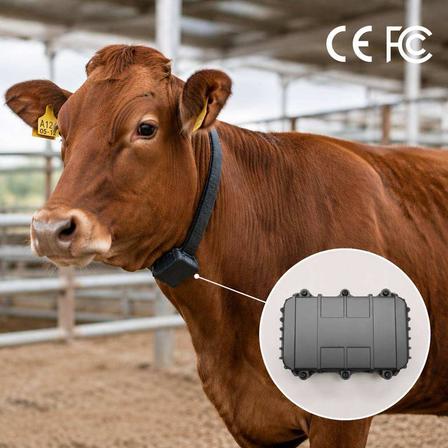
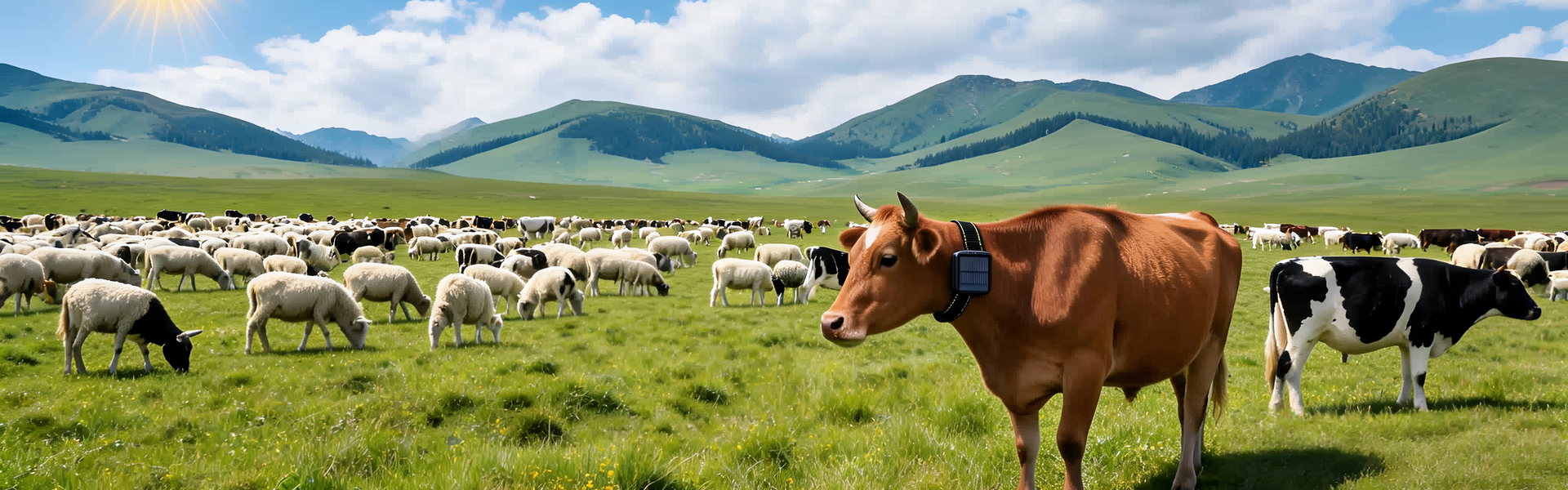
Many cattle farmers across Africa and the globe ask How does a cattle GPS tracker work. They want to stop cattle loss and manage their large pastures easily. This wearable collar attaches to cows. It uses satellite and cellular tech to show real-time livestock locations on grasslands and mountains.

We break down the workflow to fully answer How does a cattle GPS tracker work. Two core parts power the whole device: satellite signal receiving and location data sending. Built-in GPS and BDS modules catch satellite signals all the time. They calculate exact longitude and latitude for your cattle every few minutes.

Data transmission completes the full process and further explains How does a cattle GPS tracker work. The tracker sends location data via 4G networks to our cloud server. You check real-time positions, grazing paths and set safety fences on your phone or laptop anytime.

Our trackers fit all harsh outdoor pastoral conditions. They carry an IP67 waterproof shell and long-lasting batteries. The devices work well in Nigeria, South Africa and all African nations. They also serve farms in Central Asia, the Middle East and other global regions. Dual satellite signals keep positioning steady even in remote mountain areas.

To sum up, the workflow stays simple and reliable. Satellites get coordinates. Cellular networks upload data. Cloud platforms display locations for farmers. This tool cuts theft and wandering risks, and lowers daily pasture management costs for every livestock breeder.

Ultimate Best GPS Tracker for Cows, Sheep and Goats in Africa

Intro

Livestock farming is the main livelihood for millions of farmers across Nigeria, Ethiopia, Sudan, Kenya and other African countries. Losing cattle, sheep and goats to theft or wandering far away has always been a huge loss for African pastoralists. Traditional ways to herd livestock cannot cover vast savanna and remote rural areas. A durable, network-adapted 4G GPS livestock tracker becomes the most practical solution. This guide will explain what features African farmers need most, and why our 4G CAT1 tracker is the ideal choice for African grasslands.livestock GPS tracker Africa

Core Requirements for Livestock Trackers Used in Africa

Before buying a GPS tracking device for herds, local farmers must pay attention to 5 key points suitable for the African environment:

  1. Wide 4G frequency band compatibility Major African telecom operators mainly run LTE B1, B3, B5, B8 bands. The tracker must support these mainstream frequencies to keep online in remote villages and savannas.
  2. Ultra-long battery standby Power supply is unstable in most rural African areas. The device needs low power consumption to work for months without frequent charging.
  3. IP67 Waterproof & Dustproof Livestock graze in rainy seasons, muddy lands and dry dusty grasslands; the tracker must resist water splash, sand and bumping.
  4. Simple remote configuration via SMS Most herdsmen do not have professional operation knowledge. APN adjustment, positioning interval modification should be finished easily by text message.
  5. Anti-loss firm fixing design The tracker can be tightly tied to animal necks without falling off during running, grazing and rubbing.

Why Our SIM767SR 4G Tracker Is Perfect for African Livestock

Our livestock GPS tracker adopts the SIM767SR CAT1 cellular module, customized for global pastoral areas, fully matching Africa’s network and climate conditions.

LTE Band CategoryDetails
✅ Eurasia VersionLTE-FDD: B1 / B3 / B5 / B7 / B8 / B20
LTE-TDD: B34 / B38 / B39 / B40 / B412G
GSM Bands: B3(1800MHz) / B5(850MHz) / B8(900MHz)

Main Advantages for African Farmers

  1. Matches MTN, Airtel, Orange and all mainstream African local SIM cards;
  2. Adjustable positioning frequency: set longer intervals to extend battery life up to 3–8 months;
  3. All parameters can be edited by SMS commands on any ordinary mobile phone;
  4. Rugged waterproof shell adapts to rainy tropical seasons and dry savanna dust;
  5. Real-time GPS+BDS dual positioning, accurate location feedback even in flat grasslands.

Tips to Use GPS Trackers in African Pastoral Areas

  1. Buy local operator SIM cards (MTN/Airtel recommended) for more stable signal than international roaming cards;
  2. Send SMS to set the correct APN code according to your telecom provider before putting the tracker on livestock;
  3. Reduce location update frequency during dry seasons to save electricity;
  4. Check the device shell regularly to avoid abrasion caused by long-term wearing on animals.

Frequently Asked Questions (FAQ)

Q1: Will the GPS tracker work in remote savanna with weak cellular signal? A1: Our device supports all basic African rural frequency bands. It keeps normal positioning in most open grasslands; only deep dense forests will cause temporary offline.

Q2: Can I change the APN setting myself without professional help? A2: Yes. You just need to send a simple SMS command to the SIM number inside the tracker, no computer or app complicated operation required.

Q3: How long can the battery last on one full charge? A3: Standby time ranges from 3 months to 8 months, decided by your customized location refresh interval. Lower update frequency brings longer usage time.

Q4: Is this tracker anti-theft for grazing cattle against livestock thieves? A4: Absolutely. You can check real-time coordinates anytime. Once your herd is stolen, you can track their moving route quickly.

Conclusion

For cattle, sheep and goat breeders throughout Africa, a 4G wide-band, low-power, waterproof livestock GPS tracker is a necessary tool to reduce livestock loss. If you are looking for reliable pastoral tracking equipment suitable for African grasslands, check our full specifications here:

MTN is the largest mobile operator across Africa: MTN official website