
How to Track Goats with a GPS Tracker
Why Farmers Choose GPS Tracker to Track Goats
Free-range goats love wandering through hills, bushes and woodland pastures, which makes them easy to stray across fence lines or get lost in remote terrain. If you want to Track Goats without spending hours walking the whole farm every day, a dedicated livestock GPS tracker is one of the most practical solutions. Traditional herding only lets you check goats visually, but GPS trackers deliver real-time location data directly to your phone or web dashboard. You can instantly spot runaway goats, prevent theft, and receive alerts once any goat leaves your predefined grazing zone. For small family farms and large ranches alike, this tool removes the stress and heavy labour needed to Track Goats over wide grazing land.
2. How to Pick the Right GPS Tracker to Track Goats
Not all GPS devices work well for goats, so you need to focus on key features when selecting hardware to Track Goats. Goats are active, scratch against trees and get caught in thick shrubs, so the tracker must be lightweight, waterproof and shockproof. Solar-powered collars are highly recommended because they avoid frequent battery replacement in remote areas with no power access. Also check positioning modes: combined GPS, BeiDou and GLONASS positioning delivers more stable signals under tree cover. If your pasture has poor cellular coverage, choose LoRa-enabled trackers instead of regular 4G models. Before purchase, test the size of the collar; it should fit goat necks comfortably, not too tight to hurt animals, nor loose enough to slip off when goats browse and climb. Choosing a proper tracker guarantees you can continuously Track Goats in tough outdoor environments.
3. Step-by-step Setup to Track Goats with GPS Tracker
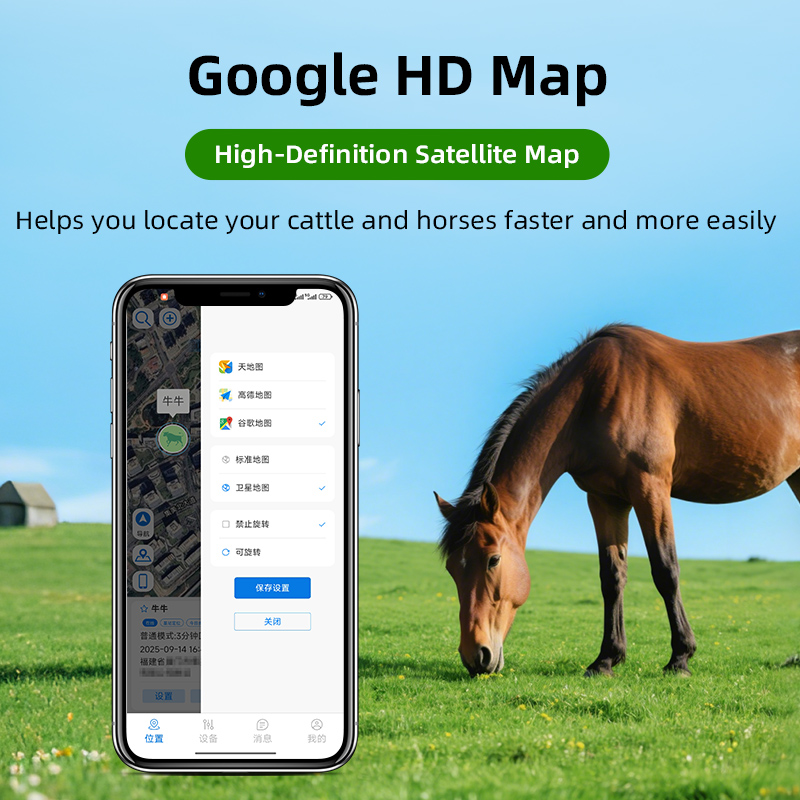
Once you get suitable GPS collars, follow these simple steps to properly Track Goats. First, register your tracker accounts on the supporting mobile app or web platform and activate each device, insert SIM card if it uses cellular transmission. Second, fit the GPS collar securely on each goat, double-check that it cannot get snagged on branches. Third, draw virtual geofence boundaries on the map to define safe grazing areas and turn on push/ SMS alerts. When the setup completes, you can start to Track Goats: view live location, replay historical movement trails, and check device battery status remotely. Regular maintenance matters too. Inspect collars weekly for damage, clean the solar panel surface, and replace worn straps. With correct installation and routine checks, your GPS system will reliably Track Goats all year round, helping you manage herd movement, protect livestock and optimize pasture rotation.
4. Extra Tips for Better Goat GPS Tracking
Even after you start to Track Goats, a few small practices can improve long-term performance. Avoid overloading collars with extra accessories, extra weight may irritate goats and affect their normal feeding and movement. Separate younger goats from adults during fitting, as young goats grow fast and collars need frequent adjustment. Use historical movement records from the tracker to learn grazing habits, identify overgrazing zones and plan pasture rest cycles. If multiple goats go missing, the map dashboard lets you locate all tagged goats at once instead of searching one by one.
5. Conclusion
It is no longer hard to Track Goats over large and rough grazing areas. A robust GPS tracker turns manual searching into convenient remote monitoring. By selecting durable livestock collars, configuring geofence alerts and doing simple regular maintenance, goat farmers can Track Goats efficiently, lower animal loss risk and save plenty of time for other farm work. Whether you raise a small herd or hundreds of free-range goats, GPS tracking is a smart investment to modernize your goat farm management.