Archives 2026

GPS Trackers for Cattle: Stop Theft Now

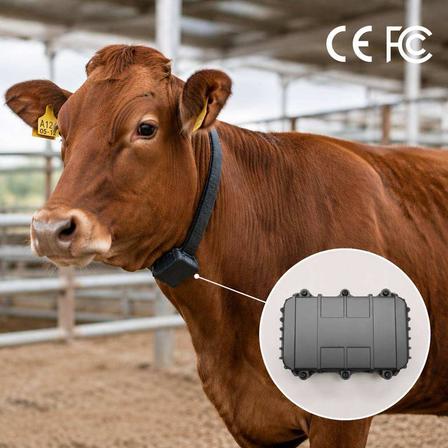
Cattle theft—or stock theft, as it’s widely known in South Africa—remains one of the most devastating challenges facing livestock farmers across the country. For commercial ranchers and smallholder farmers alike, losing cattle to thieves means not just financial loss, but a threat to livelihoods, food security, and generational wealth. In 2024, the situation has become more pressing than ever, but technology is offering a powerful line of defence: GPS animal tracking devices.GPS trackers for cattle

GPS trackers for cattle are transforming how South African farmers monitor their herds, deter criminals, and recover stolen livestock. By providing real-time location data, movement alerts, and historical tracking, these systems give farmers unprecedented control over their security and herd management .

The Reality of Stock Theft in South Africa

Stock theft is a complex rural crime that affects both large-scale commercial operations and smallholder farmers, who collectively own a substantial portion of the national herd . The consequences are severe: lost income, disrupted breeding programmes, and the emotional toll of seeing years of hard work stolen overnight.

Traditional methods of livestock security—fencing, ear tags, and visual monitoring—are often insufficient, especially in the vast, remote rangelands of the Eastern Cape, the Karoo, and Namaqualand . Thieves are becoming more organised and sophisticated, making high-tech solutions a necessity rather than a luxury.

How GPS Trackers Work for Livestock Security

Modern GPS tracking systems for cattle typically use collars or ear tags equipped with Global Positioning System (GPS) receivers and GSM cellular connectivity. These devices communicate with satellites to determine an animal’s exact location, then relay that information to a mobile app or web platform via the cellular network .

Farmers can view their herd’s real-time location on an interactive map, set up geofences (virtual boundaries), and receive instant alerts if an animal moves outside a designated area. This is particularly crucial for detecting theft attempts, as abnormal movement patterns can trigger warnings long before a thief reaches a loading point or road.

Key Features of Cattle GPS Tracking Systems:

  • Real-Time Location Tracking: View your cattle’s live positions on a smartphone or computer
  • Geofence Alerts: Set up virtual boundaries; get notified instantly if cattle breach them 
  • Movement Pattern Analysis: Monitor grazing distribution and detect unusual behaviour that may indicate stress or theft.
  • Theft Recovery Support: Share live location data with law enforcement and the community to aid in recovery efforts 
  • Battery Efficiency: Modern collars offer long battery life (up to three months) and are waterproof and durable .

Benefits Beyond Theft Prevention

While preventing cattle theft is the primary driver for adoption, GPS trackers offer additional operational benefits that improve overall farm productivity and efficiency.

1. Optimising Grazing Management

GPS data allows farmers to understand exactly how their cattle use the rangeland. Studies show that herds often graze only a small proportion of their home range at high intensity, which can lead to overgrazing and land degradation . By analysing GPS tracking data, farmers can implement rotational grazing systems, ensure even forage utilisation, and protect sensitive areas from being depleted .

2. Herd Health Monitoring

Changes in movement speed and distance can indicate health issues. For instance, if cattle are moving less than usual or grazing less actively, it could be a sign of illness or lameness. Early detection via GPS alerts allows farmers to intervene quickly, reducing veterinary costs and animal suffering .

3. Labour Cost Reduction

Monitoring large herds across vast terrain is labour-intensive and costly. GPS tracking reduces the need for constant physical checks, allowing farmers to focus their time and resources on other essential tasks. This is especially valuable for smallholder farmers who may not have the labour capacity for daily herd patrols .

Real-World Solutions: FarmRanger and Netstar

South Africa has seen the development of home-grown solutions tailored to the unique needs of local farmers.

  • FarmRanger offers GPS-enabled livestock security collars with a dedicated mobile app. Farmers receive alarms for theft or predator attacks, view animal positions on a map, and act swiftly to prevent damage. The system works with sheep, cattle, goats, and horses and uses the GSM network—no need for expensive field stations .
  • Netstar STARtag expands its vehicle tracking expertise to livestock and asset protection. With real-time location tracking, geofence alerts, and crowd-connected recovery networks, STARtag provides a comprehensive security ecosystem for livestock farmers .

Challenges and Adoption Factors

Despite the clear benefits, adoption of GPS tracking among smallholder farmers has been slower than anticipated. Research indicates that uptake depends on several factors: awareness of the devices and how they work, the severity of stock theft in the area, income levels, and access to mobile phones.

To overcome these barriers, agricultural extension services and private companies must work together to raise awareness, demonstrate the technology’s value, and offer affordable solutions. The South African government’s Livestock Identification and Traceability System (LITS SA) is one initiative that aims to integrate technology into rural crime prevention strategies .

Conclusion

GPS trackers are not just a luxury for large commercial farms—they are becoming an essential tool for any South African farmer serious about protecting their cattle and optimising their operations. As stock theft continues to evolve, so too must our defences. By investing in GPS animal tracking technology, farmers can:

  • Deter thieves with visible tracking collars
  • Detect theft attempts in real time with geofence alerts
  • Recover stolen livestock faster with accurate location data
  • Improve grazing management and herd health
  • Save time and reduce labour costs

In the battle against stock theft, GPS technology is a powerful ally—and it’s available right now to help South African farmers secure their future.

Ultimate Best GPS Tracker for Cows, Sheep and Goats in Africa

Intro

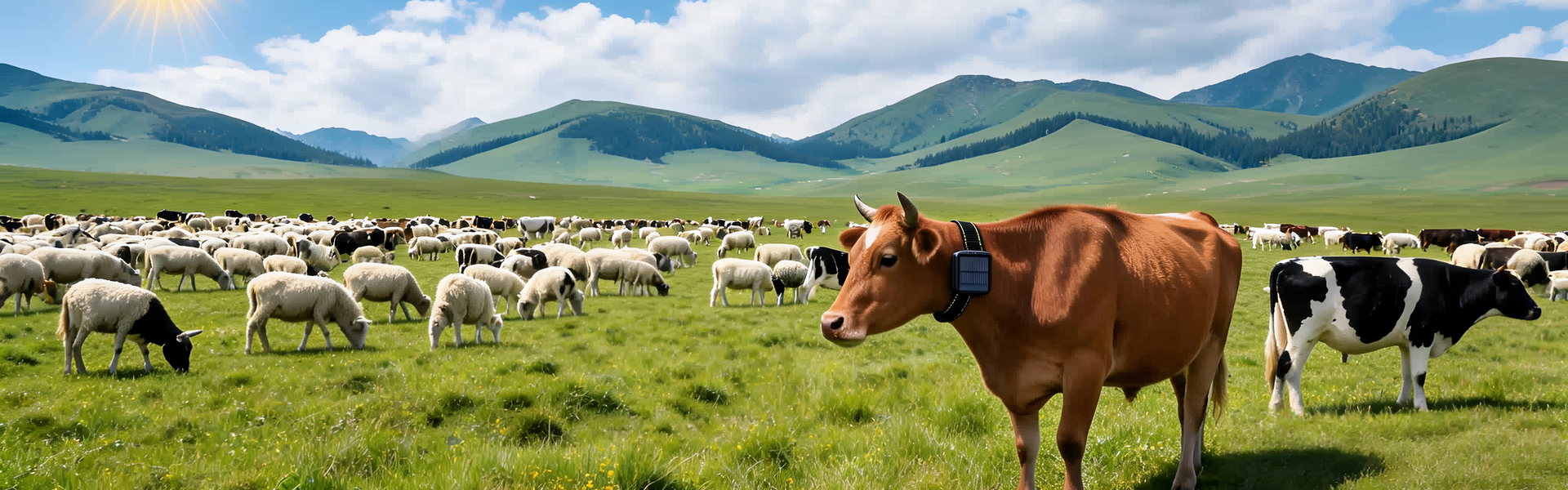
Livestock farming is the main livelihood for millions of farmers across Nigeria, Ethiopia, Sudan, Kenya and other African countries. Losing cattle, sheep and goats to theft or wandering far away has always been a huge loss for African pastoralists. Traditional ways to herd livestock cannot cover vast savanna and remote rural areas. A durable, network-adapted 4G GPS livestock tracker becomes the most practical solution. This guide will explain what features African farmers need most, and why our 4G CAT1 tracker is the ideal choice for African grasslands.livestock GPS tracker Africa

Core Requirements for Livestock Trackers Used in Africa

Before buying a GPS tracking device for herds, local farmers must pay attention to 5 key points suitable for the African environment:

  1. Wide 4G frequency band compatibility Major African telecom operators mainly run LTE B1, B3, B5, B8 bands. The tracker must support these mainstream frequencies to keep online in remote villages and savannas.
  2. Ultra-long battery standby Power supply is unstable in most rural African areas. The device needs low power consumption to work for months without frequent charging.
  3. IP67 Waterproof & Dustproof Livestock graze in rainy seasons, muddy lands and dry dusty grasslands; the tracker must resist water splash, sand and bumping.
  4. Simple remote configuration via SMS Most herdsmen do not have professional operation knowledge. APN adjustment, positioning interval modification should be finished easily by text message.
  5. Anti-loss firm fixing design The tracker can be tightly tied to animal necks without falling off during running, grazing and rubbing.

Why Our SIM767SR 4G Tracker Is Perfect for African Livestock

Our livestock GPS tracker adopts the SIM767SR CAT1 cellular module, customized for global pastoral areas, fully matching Africa’s network and climate conditions.

LTE Band CategoryDetails
✅ Eurasia VersionLTE-FDD: B1 / B3 / B5 / B7 / B8 / B20
LTE-TDD: B34 / B38 / B39 / B40 / B412G
GSM Bands: B3(1800MHz) / B5(850MHz) / B8(900MHz)

Main Advantages for African Farmers

  1. Matches MTN, Airtel, Orange and all mainstream African local SIM cards;
  2. Adjustable positioning frequency: set longer intervals to extend battery life up to 3–8 months;
  3. All parameters can be edited by SMS commands on any ordinary mobile phone;
  4. Rugged waterproof shell adapts to rainy tropical seasons and dry savanna dust;
  5. Real-time GPS+BDS dual positioning, accurate location feedback even in flat grasslands.

Tips to Use GPS Trackers in African Pastoral Areas

  1. Buy local operator SIM cards (MTN/Airtel recommended) for more stable signal than international roaming cards;
  2. Send SMS to set the correct APN code according to your telecom provider before putting the tracker on livestock;
  3. Reduce location update frequency during dry seasons to save electricity;
  4. Check the device shell regularly to avoid abrasion caused by long-term wearing on animals.

Frequently Asked Questions (FAQ)

Q1: Will the GPS tracker work in remote savanna with weak cellular signal? A1: Our device supports all basic African rural frequency bands. It keeps normal positioning in most open grasslands; only deep dense forests will cause temporary offline.

Q2: Can I change the APN setting myself without professional help? A2: Yes. You just need to send a simple SMS command to the SIM number inside the tracker, no computer or app complicated operation required.

Q3: How long can the battery last on one full charge? A3: Standby time ranges from 3 months to 8 months, decided by your customized location refresh interval. Lower update frequency brings longer usage time.

Q4: Is this tracker anti-theft for grazing cattle against livestock thieves? A4: Absolutely. You can check real-time coordinates anytime. Once your herd is stolen, you can track their moving route quickly.

Conclusion

For cattle, sheep and goat breeders throughout Africa, a 4G wide-band, low-power, waterproof livestock GPS tracker is a necessary tool to reduce livestock loss. If you are looking for reliable pastoral tracking equipment suitable for African grasslands, check our full specifications here:

MTN is the largest mobile operator across Africa: MTN official website